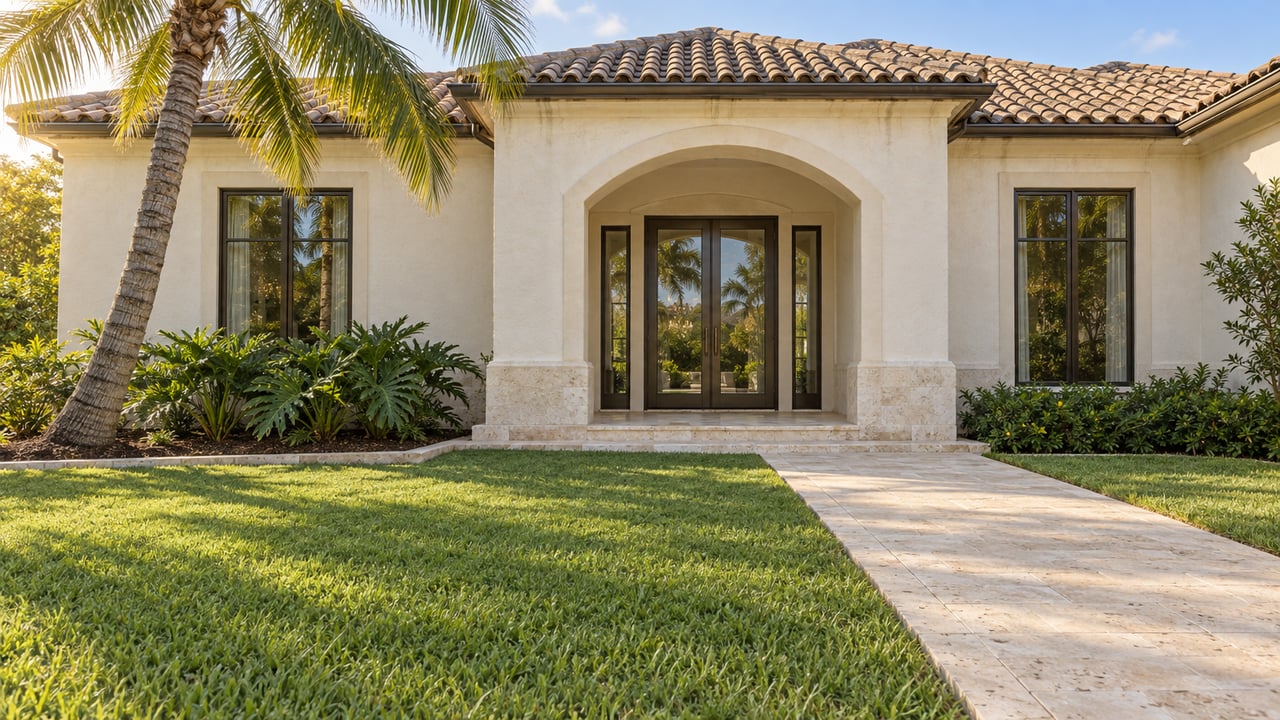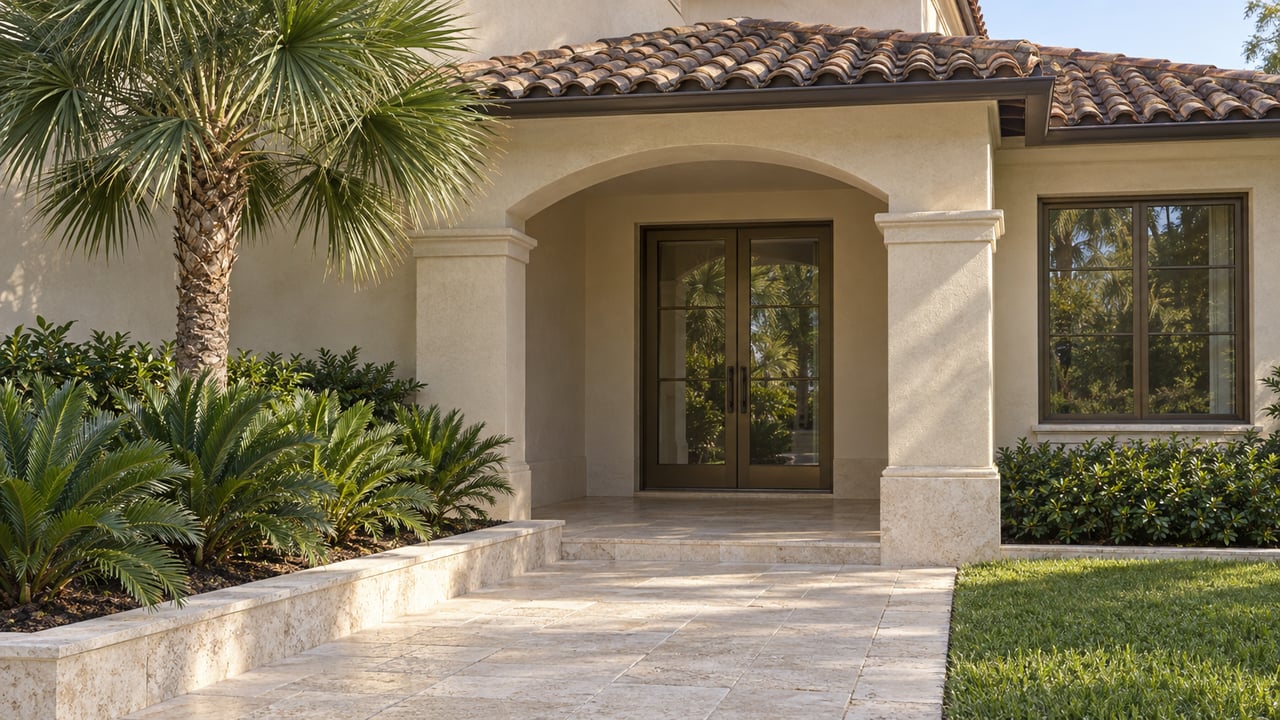
On Thursday, November 19, the newly planted sabal palms, gumbo limbos and live oaks at Phipps Ocean Park will be about as small as anyone will ever see them. The late-morning ribbon cutting opens a park that was built to grow in. Its designer expects it to look full within about a year and, in five years, as though it had always been there.
The Preservation Foundation of Palm Beach and the Town of Palm Beach spent about six years and $31 million rebuilding the roughly 20-acre park at 2201 S. Ocean Blvd. The goal was a restored piece of the island's original coast that changes every season, according to the Palm Beach Daily News. If you live nearby, you won't need to visit just once. You can come back over the next few winters and watch it fill in.
The 1948 gift, finished
The park started as a gift from the Phipps family in 1948. The Preservation Foundation describes what the family had in mind: a public beach and oceanfront park where people could play, learn and enjoy the island's scenery. The Foundation describes the property as running from the Atlantic to the Intracoastal Waterway, with 1,200 feet of oceanfront.
The Daily News reports that the redesign began partly under former Foundation President and CEO Amanda Skier, who now leads the staff at the Flagler Museum. Her successor, Danielle Del Sol, is opening the park. Del Sol told the paper the park "has come together more beautifully than we could have imagined, but what is especially exciting is that this is really just the beginning."
Miami-based designer Raymond Jungles drew the master plan. In the Foundation's campaign brochure, architects Anne Fairfax and Richard Sammons say their design uses simple natural materials meant to blend with the native planting. Most of Jungles' work is private homes and hotels. He told the Daily News that a garden the general public can see "makes us very happy."
What the South End looked like before
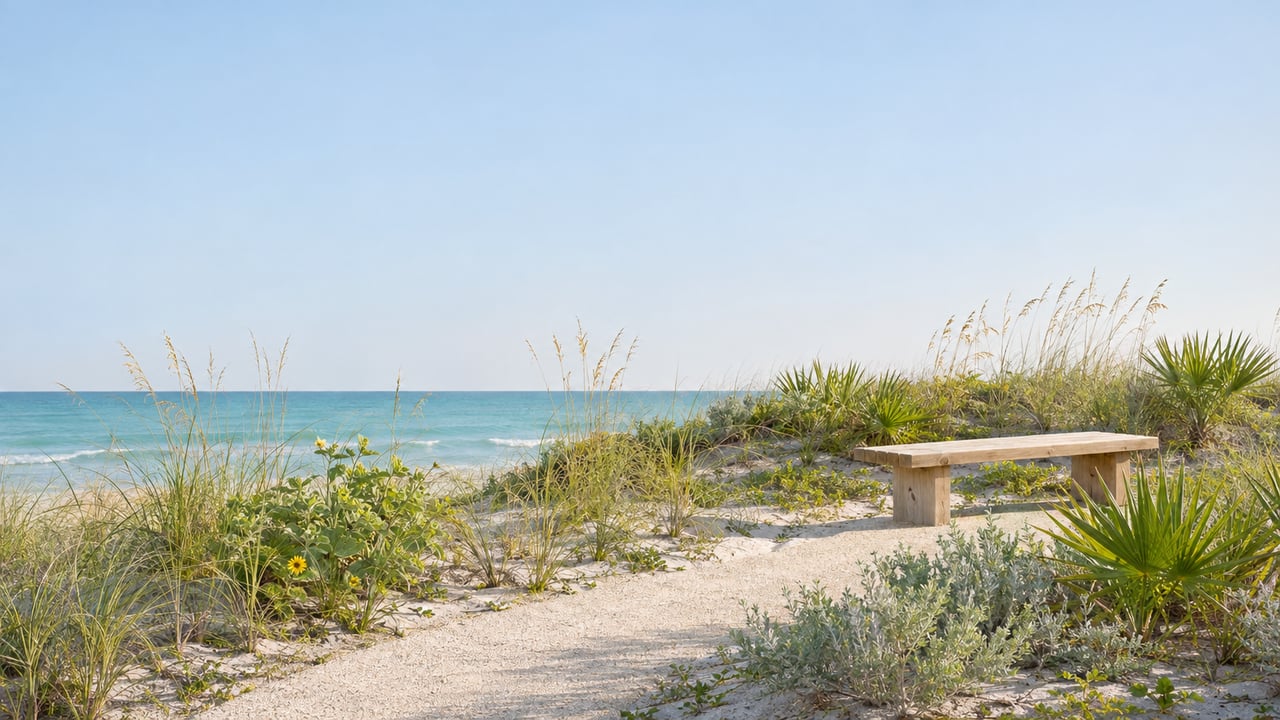
The plantings recreate the coast as it was before development. Jungles' firm worked with the Foundation and the Institute for Regional Conservation to clear out invasive and nonnative plants and replant with as many native species as the site would have held. More than 80,000 native plants from more than 250 species went in. Many of them weren't available from ordinary nurseries and had to be grown under contract for this project.
You can see the planting change as you walk inland from the water:
- At the beach: plants that tolerate sand, wind and salt.
- On the dune crest: sea grapes come in.
- On the sheltered west side: a much wider mix of species, including trees such as satin leaf and strangler fig.
So the same path looks different depending on where you are on it. A morning walk from the shore back toward South Ocean Boulevard passes through several kinds of coastal habitat in a few hundred steps.
How the park will grow in
Jungles gave the Daily News a rough timeline. The smaller plants fill in first, and the large trees change less.
| When | What Jungles expects |
|---|---|
| Opening, November 2026 | Newly installed plants, with the larger trees already in place |
| About a year in | The grounds "should look fairly full" |
| About five years in | It should look as though it has always been there, with few bare areas |
The park on opening day is the first stage of something that will keep growing. Because so much of it is planted rather than built, it should look noticeably different each winter season.
A nursery for the rest of the town
The 2,400-square-foot Coastal Restoration Center is a nursery and teaching space. Native plants grown there will go into Phipps Ocean Park and into other projects around the town. The Foundation describes it as supporting healthy beach dune ecosystems inside the park and throughout Palm Beach. That means the park also produces plants for the rest of the island.
The Little Red Schoolhouse sits beside the center. Founded in 1886 as a community project, it was the first schoolhouse in Southeast Florida, and the Foundation calls it the oldest landmark in Palm Beach. The Foundation's plan moves it to higher ground near the dune so its living-history program can keep running. In that program, fourth graders spend a day in an 1890s one-room school.
Families with schoolchildren, including homeschool groups, should know how the program works. The Foundation's Little Red Schoolhouse page says visits are booked online as field trips during the school year, September through May. Each visit is free, lasts about two hours, usually from 10 a.m. to noon, and takes up to 30 students. Buses park free in the south entrance lot. People arriving by car pay the meters.
Places to walk, sit and play
According to the Daily News, the park includes:
- A Great Lawn and a wildflower garden
- An outdoor classroom near the Coastal Restoration Center
- A dune playground
- A horizon plateau overlooking the ocean
The paths were planned for everyone. Jungles told the paper that about 95 to 99 percent of them will be universally accessible, so wheelchairs and strollers can get through the park. He put it simply: "It's going to be a great place to exercise and take a nice walk and get to see nature." For South End residents, that could make the park a regular stop for a morning walk or a loop with a stroller.
Parking and court fees
Parking at the park is paid through ParkMobile. The Town's master fee schedule, revised October 13, 2026, lists the Phipps Ocean Park zone at $10 per hour. The Town's October 2026 newsletter said 2027 Parkmobile and Residential Parking Permits would become available in late November.
The tennis center and its parking reopened early, ahead of the rest of the park. The Phipps Ocean Park Racquet Center shares a fee schedule with the Seaview Park Tennis Center and is also where the town's pickleball courts are. These are the daily per-person rates the Town recreation department lists as of November 2026, before sales tax:
| Daily play | Resident | Nonresident |
|---|---|---|
| Adult tennis | $21 | $28 |
| Junior tennis | $14 | $19 |
| Pickleball | $10 | $13 |
| Adult tennis, happy hour, 12:30 to 3:30 p.m. | $16 | $22 |
| Junior tennis, happy hour, 12:30 to 3:30 p.m. | $11 | $16 |
To get resident rates, you'll need proof of residency. If you play often, the same page lists annual and six-month passes for residents and nonresidents. A doubles game during the afternoon happy-hour window costs less, and afterward you can walk over to the new paths.
Opening day
The grand opening is Thursday, November 19, and it is free and open to the public. The Town is hosting it with the Preservation Foundation, and the ceremony is set for late morning. The Foundation's event page has a registration link. The Foundation describes the day as a celebration of the restored park and of the many donors who paid for it.
If you can't make it Thursday, come back in a month and again next fall. Jungles expects the grounds to look fairly full by about a year from now, and the wildflower garden and dune will look different each time you visit.
I live and work on the island, and Phipps Ocean Park is one of the South End places I'm most excited to show people. If you're curious what daily life around the park looks like, or you'd like a walk through Palm Beach from Worth Avenue down to the South End, I'm glad to help. Reach out to Jessica Julian to talk it over. Let's Connect.